TMJ Treatment in Palm Beach County, FL

Restore Your Oral Function with TMJ Treatment

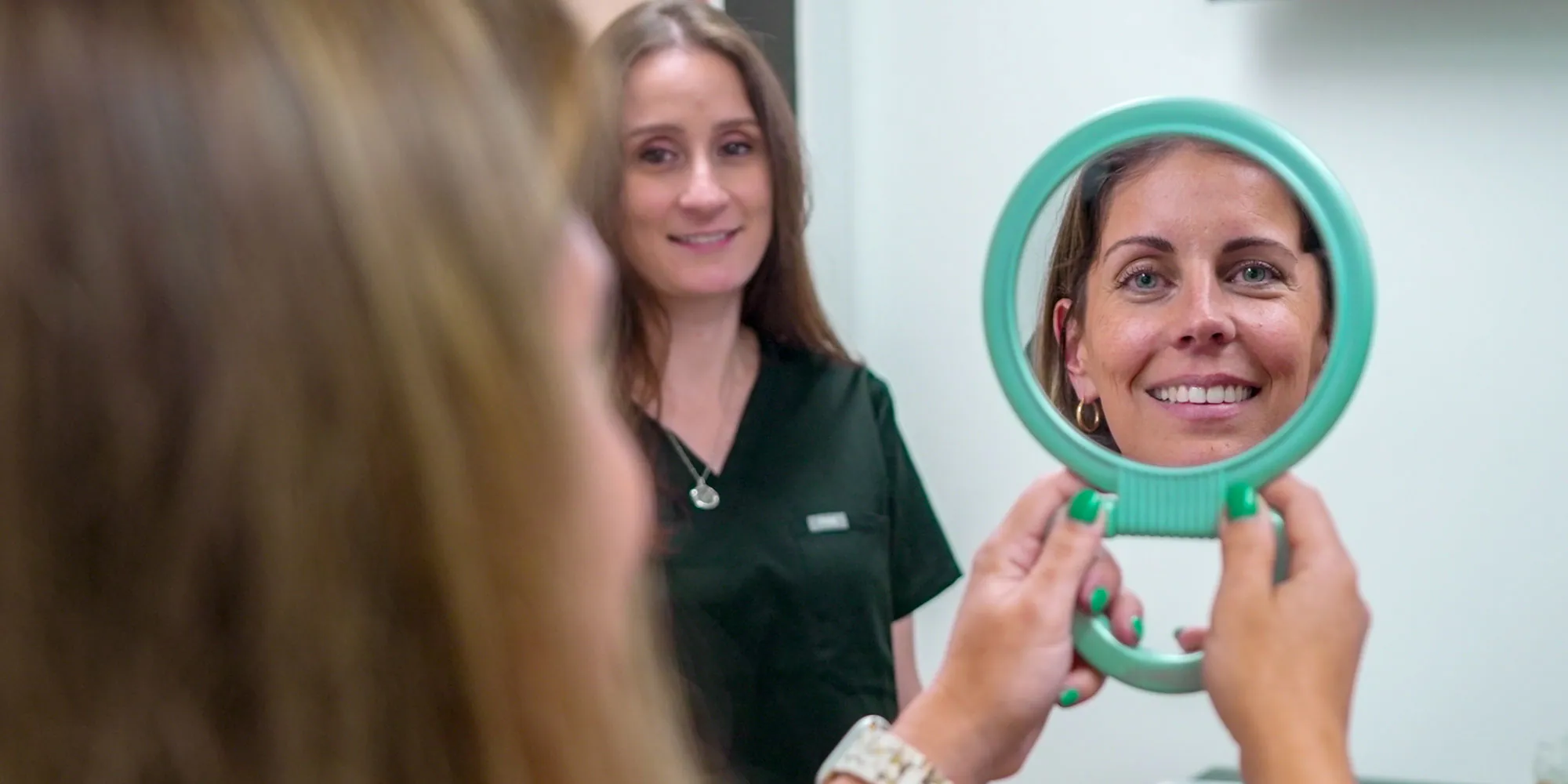
A patient looking at her smile in a hand mirror while a team member in green scrubs looks on

TMJ disorders are problems with the jaw joints and the muscles that move them, causing jaw pain, clicking, locking and headaches. Most cases improve without surgery: rest, a custom bite appliance, medication and physical therapy. When the joint itself is damaged, an oral and maxillofacial surgeon can treat it surgically. Dr. Makepeace Charles evaluates both.
Enjoy a Restored Quality of Life

TMJ disorders are common, and more so in women. Situated in front of each ear, the TMJs function as hinges connecting the jaw to the skull’s temporal bones, facilitating movements such as chewing, speaking, and swallowing. If you experience chronic jaw pain, difficulty chewing, headaches, or bruxism (tooth clenching/grinding), you may be showing signs of a TMJ disorder.

At Profiles Oral & Facial Surgery Center in Palm Beach Gardens, Jupiter, FL, and Wellington, FL, we evaluate and treat TMJ disorders to alleviate discomfort and improve your quality of life. Through personalized consultations and comprehensive head and neck evaluations, Dr. Makepeace Charles will determine the most suitable TMJ treatment approach to address your symptoms and restore optimal jaw function.

What You Should Know About TMJ Disorder

While factors like trauma, malocclusion, and psychological stress contribute to TMJ dysfunction, they are believed to exacerbate rather than directly cause the condition. Specific individuals predisposed to TMJ disorders may experience pain and functional issues following acute physical or psychological trauma.

Many TMJ problems come from the muscles that move the jaw (myofascial pain). Others are linked to internal joint problems such as a displaced disc, dislocated jaw, or injury to the condyles (the rounded ends of the lower jaw). Additionally, patients with degenerative or inflammatory joint diseases like osteoarthritis and rheumatoid arthritis may also experience TMJ-related symptoms.

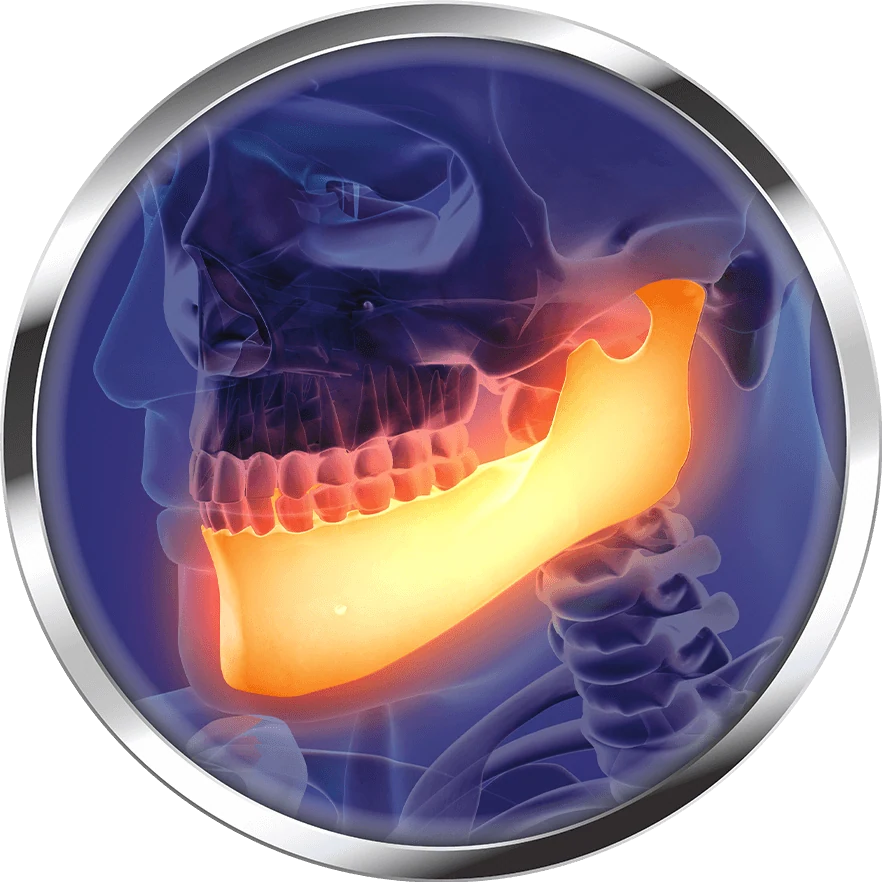
X-ray style illustration of a skull with the lower jaw highlighted
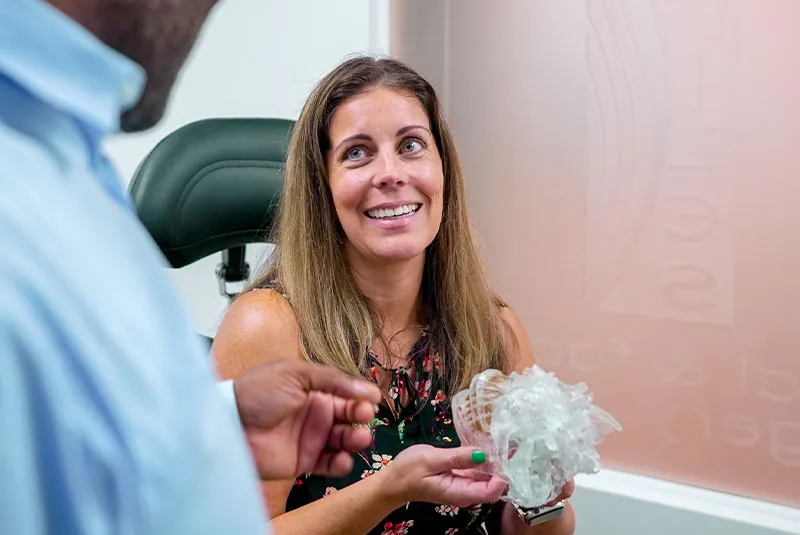
A smiling patient holding a clear model of teeth in the exam chair

Common Signs of TMJ Disorder

Alleviate Pain and Discomfort with TMJ Treatment

Neuromuscular Dentistry

If your teeth don’t fit together properly (misaligned bite), the muscles and joints become overworked, leading to painful conditions such as TMJ disorder. Neuromuscular dentistry is an approach to jaw health that focuses on the harmonious relationship between jaw muscles, bones, cartilage, and nerves and how they work together to control jaw positioning and function. Neuromuscular dentistry involves identifying your jaw’s healthy, relaxed position and helping it stay that way through a bite splint or reconstructive dentistry. Focusing on fixing alignment and occlusion ensures your TMJs work in harmony and don’t cause further problems.

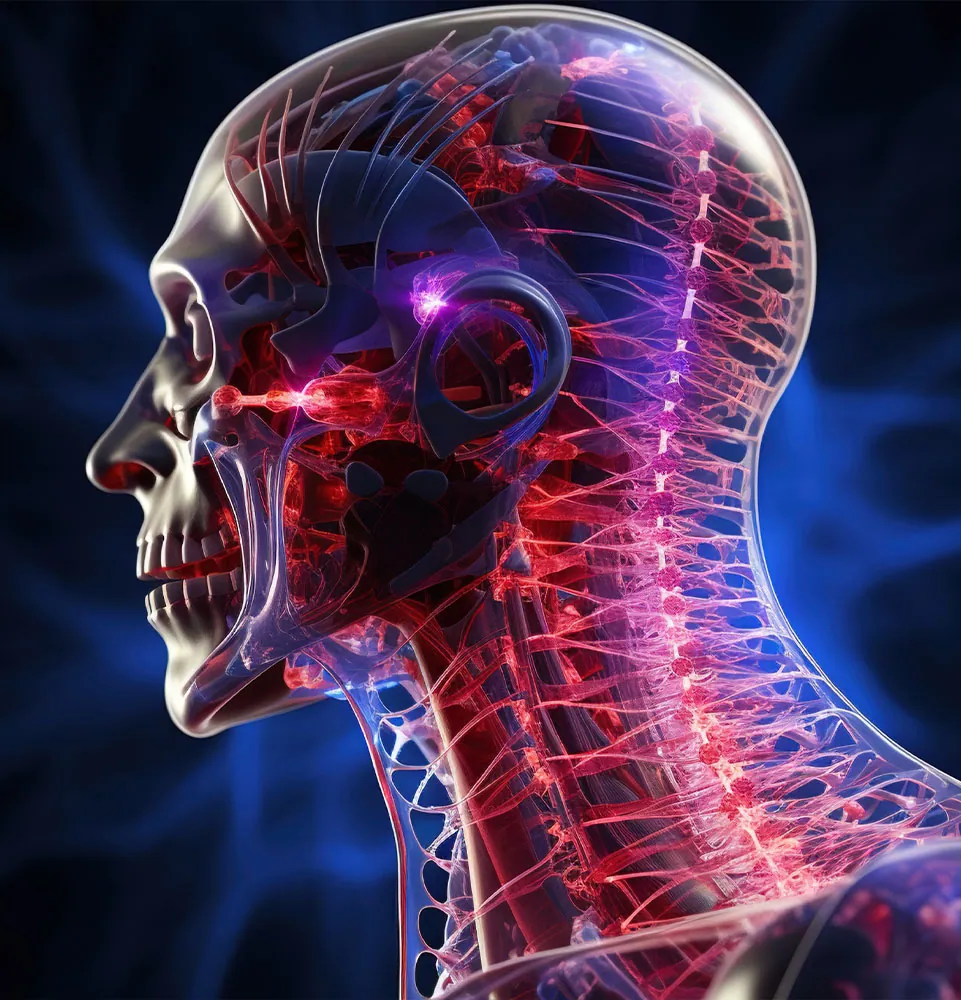
Illustration of a head and neck with muscles and nerves lit in red
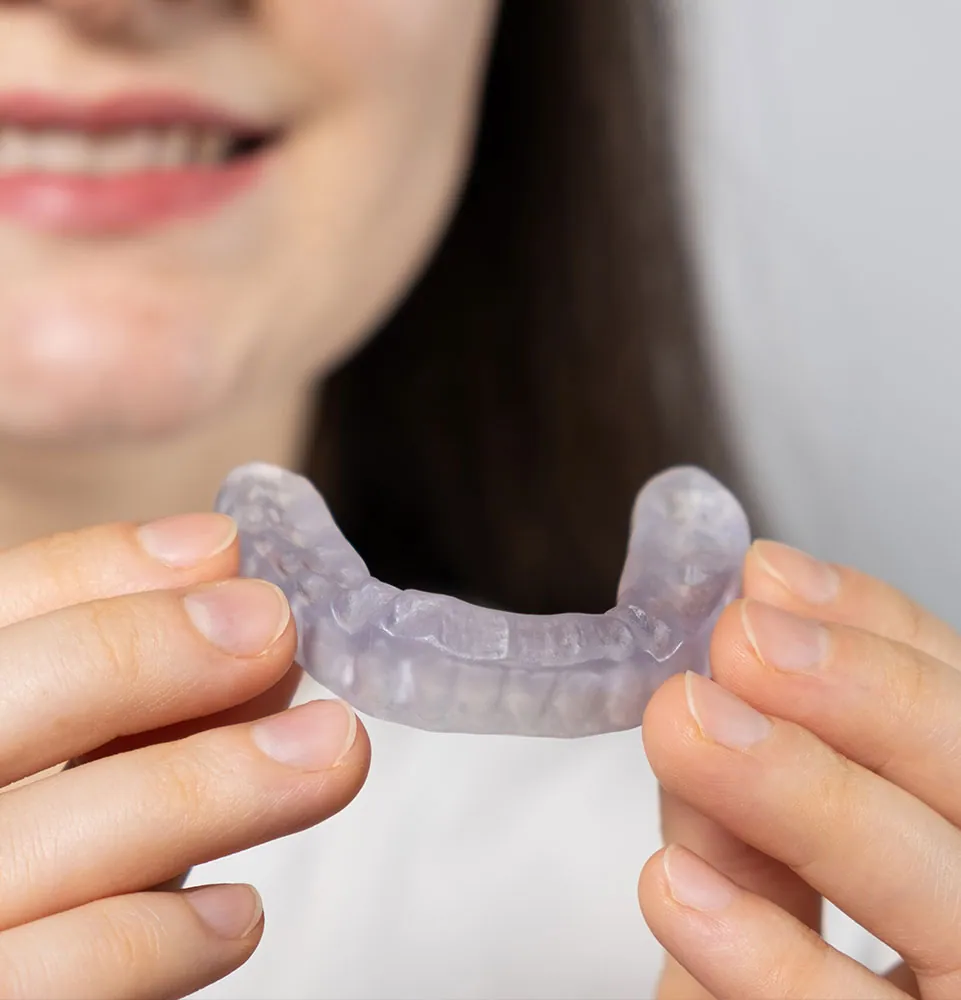
A person holding a clear bite guard made for the lower teeth

Oral Appliance Therapy

We may suggest appliance therapy (night guards) if you have sore muscles, worn teeth, or headaches. The finely customized, therapeutic orthotic device must fit well without movement and provide even contact with individual teeth and no contact on back teeth with side-to-side jaw movement. We carefully monitor you during therapy to ensure the appliance is effective.

Initially, the goal is to help you get comfortable using the appliance to reduce discomfort and ease symptoms. The next objective is to align teeth as evenly as possible when you’re not wearing the night guard. This may sometimes require simple occlusal adjustment and restorative work such as crowns and bridges.

Benefits of TMJ Treatment

A smiling woman with long red hair sitting in an office chair

Questions patients ask

How do I know if I have a TMJ disorder?

Common signs are pain in front of the ear or in the jaw muscles, clicking or popping, a jaw that locks or does not open fully, and headaches on waking. An examination, and imaging when needed, confirms it.

Will I need surgery?

Most people do not. Surgery is considered when conservative treatment has not helped and imaging shows a problem inside the joint.

Does a night guard cure TMJ?

A well-made appliance reduces the load on the joint and muscles and relieves symptoms for many people. It manages the problem; it does not rebuild a damaged joint.

Is TMJ treatment covered by insurance?

Coverage varies widely between medical and dental plans. Our billing manager checks yours before treatment.


A smiling woman with long blonde hair in a pink top

You Deserve a Pain-Free Smile and Life!

Schedule a visit with our team to get back to smiling with ease.